Tulcey Font: Quirky Display Typography for Web Design
Using Tulcey for Headings and Hero Section Hierarchy
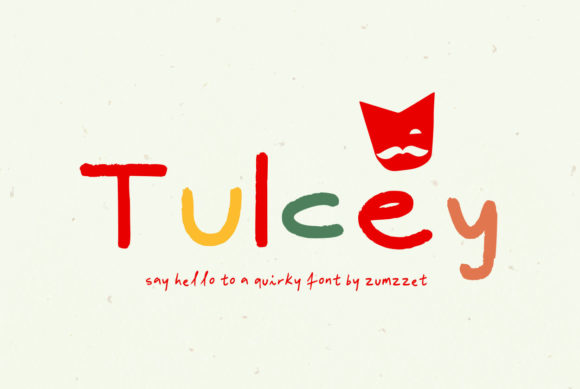
Tulcey is a cute and quirky display font that serves as an exceptional anchor for website hero sections where immediate visual engagement is critical. When designing landing pages or digital storefronts, the primary headline must capture attention within milliseconds, and this typeface delivers the necessary personality without sacrificing structural integrity. As web designers, we often struggle to find fonts that balance playfulness with professional legibility, but Tulcey bridges this gap effectively for creative brands. Its unique letterforms create a distinct focal point that guides user scanning behavior naturally toward key value propositions or call-to-action buttons below.
Incorporating Tulcey into your H1 or H2 tags establishes a strong visual hierarchy that differentiates primary content from supporting body copy. Because it is a display typeface, it performs best at larger sizes where its intricate details and quirky characteristics remain crisp on high-resolution screens. For conversion-focused layouts, using this font for main headers can reduce bounce rates by instantly communicating brand tone before the user reads a single word of body text. Ensure you allocate sufficient vertical whitespace around these headings to let the typography breathe, preventing the layout from feeling cluttered on mobile devices where screen real estate is limited.
Tulcey for Children’s Designs and Educational Web Platforms
Digital products targeting younger audiences benefit significantly when Tulcey is applied to navigation elements and section titles within children’s designs. Educational websites, kids' apparel stores, and interactive learning apps require typography that feels approachable and safe, yet remains functional for parents and educators navigating the interface. This font’s rounded, friendly aesthetic reduces cognitive load for young readers while maintaining enough sophistication to appeal to the adult purchasers who ultimately control the transaction. The quirkiness of the letterforms adds a layer of delight to the user experience, transforming standard UI components into engaging brand touchpoints.
When implementing Tulcey in educational dashboards or course sales pages, prioritize accessibility by maintaining high contrast ratios against background colors. While the font is inherently decorative, it retains enough character distinction to support readability for early readers when sized appropriately. Avoid using it for dense paragraphs or instructional text; instead, reserve it for module titles, achievement badges, and welcome messages. This strategic limitation ensures the interface remains usable across all age groups while leveraging the font's ability to evoke warmth and creativity in digital environments specifically built for youth-oriented markets.
Integrating Tulcey for Logotypes and Digital Brand Identity
Brand identity systems often rely on Tulcey for logotypes and wordmarks that need to stand out in crowded digital marketplaces and social media feeds. A logo set in this typeface immediately signals a brand personality that is imaginative, accessible, and distinct from corporate minimalism. For web designers building brand kits for creative entrepreneurs, coaches, or boutique retailers, this font provides a ready-made solution for establishing a memorable visual signature. The quirky nature of the glyphs allows for custom ligature adjustments or spacing tweaks that can make a standard wordmark feel bespoke and proprietary without requiring extensive custom lettering work.
Beyond the primary logo, Tulcey extends seamlessly into favicon designs, app icons, and watermarks used across digital assets. Consistency in brand typography builds trust, and using the same display font across your website header, email newsletter banners, and social media graphics creates a cohesive online presence. When deploying this font in SVG format for logos, ensure paths are outlined correctly to prevent rendering issues across different browsers. This technical attention to detail preserves the intended charm of the typeface, ensuring that your client’s brand identity remains intact whether viewed on a 4K monitor or a compact smartphone screen.
Tulcey for Apparel Design and E-Commerce Merchandising
Online stores selling custom merchandise utilize Tulcey for apparel design previews and product category headers to visualize the end result for shoppers. In e-commerce web design, showing customers exactly how typography will look on a t-shirt, tote bag, or hat is essential for reducing return rates and increasing conversion confidence. This font translates exceptionally well to print-on-demand mockups because its bold, quirky strokes remain visible even when scaled down in thumbnail galleries. By using the same typeface in your site’s UI that appears on the physical product, you create a seamless bridge between the digital shopping experience and the tangible item.
For product landing pages featuring text-based apparel, Tulcey can be used to highlight customization options or personalization fields. Its handcrafted appearance suggests artisanal quality, which justifies premium pricing in the minds of consumers browsing handmade or vintage-inspired goods. When styling these sections, pair the font with clean, minimalist photography to avoid visual competition. The goal is to let the typography serve as the hero element of the product showcase, reinforcing the creative value proposition directly within the purchase flow. This alignment of web typography with physical product aesthetics strengthens brand coherence and supports higher average order values.
Pairing Tulcey with Sans Serif Fonts for Web Readability
Achieving optimal legibility requires pairing Tulcey with neutral sans serif fonts for body copy, captions, and secondary interface elements. Display fonts are designed for impact, not endurance, so balancing their expressive energy with a stable, highly readable typeface like Inter, Open Sans, or DM Sans is non-negotiable for professional web design. This combination creates a rhythmic contrast that guides the eye through the page: Tulcey grabs attention at section breaks, while the supporting sans serif facilitates comfortable reading of detailed content. Without this partnership, a website risks looking amateurish or becoming fatiguing to navigate during longer sessions.
When setting up CSS typography scales, define clear size relationships between your Tulcey headings and body text to maintain proportional harmony. A common ratio for quirky display fonts is a 1.5x to 2x multiplier relative to base body size, ensuring headers dominate without overwhelming the viewport. Additionally, consider line-height adjustments; display fonts often require tighter leading than body text to appear cohesive as a unit, whereas body copy needs generous spacing for scanability. Testing these pairings across multiple breakpoints ensures that the visual hierarchy holds up on tablets and phones, where font sizing dynamics shift dramatically compared to desktop views.
Licensing Tulcey for Commercial Web Projects and Client Work
Professional deployment of Tulcey in commercial web projects requires careful verification of licensing terms to protect both designers and clients from legal exposure. Before integrating this font into a live website, app, or digital template for sale, confirm whether the license covers webfont usage (@font-face), desktop installation for mockups, and distribution within editable templates. Many creators overlook the distinction between personal and commercial licenses, leading to compliance issues when a project scales or changes ownership. Always secure the appropriate tier based on monthly pageviews or number of end-users if the licensing model is metric-based.
For agencies and freelancers managing multiple client sites, maintaining organized records of Tulcey licenses streamlines future audits and transfers. Include font licensing documentation in your final handoff package alongside style guides and asset libraries to demonstrate professionalism and due diligence. If offering Tulcey as part of a premium WordPress theme or Shopify template, ensure your license explicitly permits bundling or sub-licensing. Respecting intellectual property rights not only safeguards your business but also supports the type designers who create these valuable tools, fostering a sustainable ecosystem for high-quality digital typography resources.